Comparing Common Steel Pipe Grades Used Worldwide
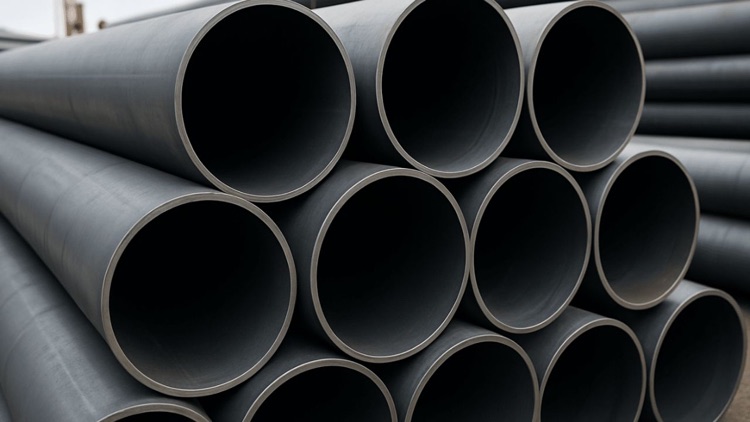
Steel pipes find application in numerous industries such as the construction industry, oil and gas industry, power generation, water transportation, and manufacturing. Not every steel pipes are equal, however. Various pipe grades are designed to fit various requirements of strength, pressure, temperature, and environment. The standards organizations around the globe have developed grading to enable engineers and buyers to select the appropriate material. Knowledge of the variations of common steel pipe material grades assists in determining the safety, performance, and cost effectiveness of industrial projects.
Understanding What a Steel Pipe Grade Means
A steel pipe grade is a classification that defines:
- Mechanical properties of the pipe
- Chemical composition of the steel
- Strength and stress resistance level
- Performance under specific operating conditions
A higher grade provides more strength, but can demand more meticulous manufacturing and welding processes. Pipe grades are employed by engineers to make sure that a piping system satisfies the technical needs of a project.
API 5L Pipe Grades
The API 5L grades are primarily applied in the oil and gas transmission pipelines. Common API 5L Grades:
- Grade B
- X42
- X52
- X65
- X70
The grade number is the lowest yield strength of the material. As an illustration, X52 can yield as low as 52,000 psi. Long-distance pipelines are frequently chosen with higher grades like X65 and X70 due to their increased strength and a decrease in the weight and material consumption of the pipeline.
EN Steel Pipe Grades
EN standards are typical of European projects. Popular grades include S235, S275, and S355. Such grades find extensive applications in structures like buildings, bridges, and industrial structures. The greater the grade number, the stronger the steel. EN grades are characterized by their high consistency and are commonly used in construction projects in Europe and other parts of the world that use European engineering standards.
ASTM A106 Grade
ASTM A106 Grade B is used in high-temperature and high-pressure piping systems. It is designed for conditions where heat resistance and reliable strength are important. This grade is commonly used in boilers, steam lines, and industrial piping systems. It performs well under thermal stress, making it suitable for continuous high-temperature applications.
Comparison of Common Steel Pipe Grades
Cost Considerations between Pipe Grades
The selection of pipe grade also influences the project costs. Stronger grades are typically more expensive to manufacture and demand more rigorous quality control. They therefore tend to be more costly than lower grades. Although the high-grade pipes offer greater strength, they may not be crucial all the time. Several engineers settle on the lowest grade that can comply with safety and design standards to have the most desirable balance between performance and cost.
Welding and Fabrication Requirements
Welding needs tend to be more rigorous as the grades of pipes increase. The use of higher-grade materials might need special welding, skilled workers, and extra checks. Misalignment of the welding may decrease the strength and reliability of the completed system. This means that engineers should take into account the fabrication requirements when comparing the various grades of pipes and materials to use in a project.
Importance of Industry Standards
Standards in the industry are used to ensure grades in pipes to achieve similar quality and performance. Chemical composition limits, mechanical properties, testing procedures, and manufacturing requirements are stipulated by standards organizations like ASTM, API, and EN. These standards assist buyers in the comparison of products of various suppliers and also to be sure that the chosen grade of pipes meets the project requirements and the regulations.
Choosing the Right Steel Pipe Grade
When selecting the right grade of steel pipes, a lot of consideration has to be made on the operating pressure, temperature, the environment, and the project budget. Before a final decision is made, engineers consider these factors and relevant standards.
Key selection factors include:
- Operating pressure
- Temperature conditions
- Environmental exposure
- Project budget
- Applicable standards
Conclusion
The grades of steel pipes are essential in any industrial and construction work all over the world. ASTM, API, and EN standards offer a range of grades that can be used in various operating environments and applications. All grades have their own benefits in terms of strengths, durability, and prices. Through a close examination of standard steel pipe grades, engineers and acquisition units can choose materials that provide reliable operation and achieve the objectives of projects and budgets.