Carbide Trencher Teeth: Are They Actually Worth the Price?
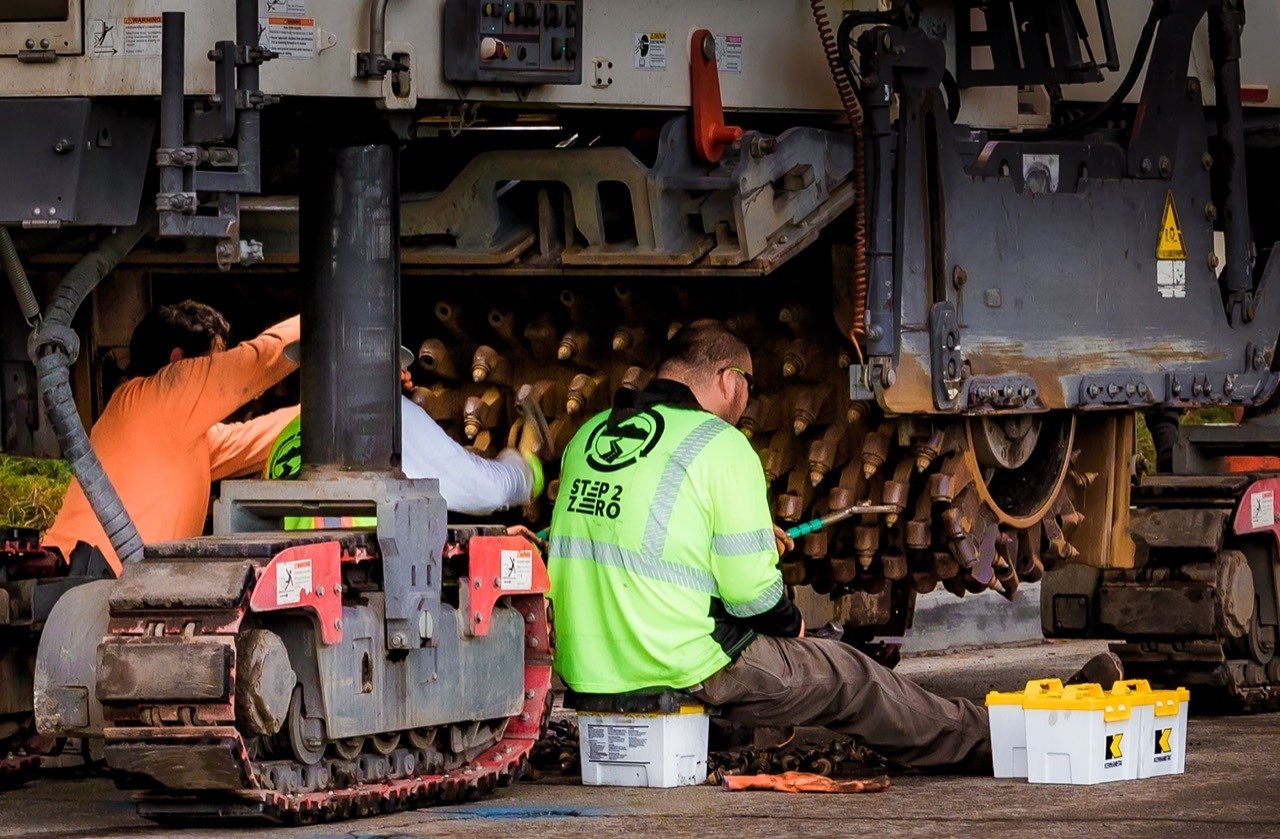
The price gap between standard alloy steel trencher teeth and carbide-tipped teeth is real and not small. Depending on tooth type and supplier, carbide teeth can run two to four times the cost of equivalent steel teeth. For a contractor ordering in volume, that difference adds up fast, and the question of whether carbide is worth it doesn’t have a universal answer — it depends on conditions that vary significantly between jobs and between regions.
The math does work out in carbide’s favor in many situations. But “carbide lasts longer” isn’t a sufficient reason to pay the premium. The relevant question is how much longer, in your specific conditions, on your specific equipment, against the actual cost of replacement labor and downtime.
What Carbide Actually Does Differently
Standard alloy steel teeth cut effectively when new and wear at a rate determined by the abrasiveness of the material and the hardness of the steel. Heat treatment and carburizing extend service life compared to untreated steel, but the fundamental limitation is that steel tips lose their cutting geometry as they wear — a rounded tip cuts less efficiently than a sharp one, which increases chain load and accelerates wear on the rest of the system as the tip degrades.
Carbide-tipped teeth maintain their cutting geometry significantly longer because tungsten carbide is substantially harder than the soil, gravel, and rock being cut. The tip doesn’t round off at the same rate. It wears, but slowly enough that the cutting geometry remains effective through much more material than steel can handle.
The practical effect is that carbide teeth spend more of their service life cutting efficiently rather than cutting inefficiently with a degraded tip. This matters not just for tooth life but for everything the tooth affects: chain load, fuel consumption, production rate, and wear on holders and sprockets downstream.
Running the Numbers on Easy Ground
In soft to medium soil — clean clay, loose loam, undisturbed residential soil without significant rock or gravel — the case for carbide is weakest. Steel teeth in these conditions last long enough that the premium for carbide doesn’t pay back quickly.
If a set of steel teeth lasts 800 feet in soft soil before needing replacement, and carbide teeth in the same conditions last 2,000 feet, you need to compare the cost of three sets of steel teeth against one set of carbide. If the steel teeth are $8 each and carbide are $22 each, and you’re running 20 teeth per chain, the steel option costs $480 for 2,400 feet of coverage (three changes) and the carbide option costs $440 for 2,000 feet. The per-foot cost is similar, and the steel option actually covers more ground for slightly more money.
This is why experienced operators in soft-ground markets often stick with steel and change teeth regularly rather than paying the carbide premium. The economics don’t strongly favor either option, and steel is more forgiving of the occasional mis-selection.
Where Carbide Pulls Away
The calculation changes substantially in abrasive or hard material conditions: heavy gravel, compacted caliche, hardpan, fractured shale, or any ground that chews through steel teeth in hours rather than days.
In genuinely hard conditions, steel teeth might last 200 feet before they’re too worn to cut efficiently. Carbide teeth in the same material might run 1,200 to 1,500 feet. That’s not a 2x difference — it’s a 6x to 7x difference in service life. Against a 3x price premium, the per-foot cost of carbide trencher teeth is roughly half the per-foot cost of steel in those conditions.
The direct cost comparison understates the advantage in hard material because it doesn’t capture replacement labor and downtime. Stopping a trencher to change a chain of 20 teeth takes 20 to 40 minutes depending on how the machine is set up and how worn the holders are. In hard material that burns through steel teeth every few hundred feet, that replacement time accumulates quickly. A job that requires six chain changes in steel might require one in carbide. The five changes you don’t make are 100 to 200 minutes of production time you don’t lose.
For a contractor running a crew with an hourly burden rate, those 100 to 200 minutes have a real dollar value that doesn’t show up in tooth price comparisons.
Mixed Conditions: The Harder Call
The calculation is genuinely ambiguous in mixed conditions — jobs that start in soft disturbed soil and hit harder undisturbed material partway through, or routes with variable geology that produces unpredictable ground.
In mixed conditions, the risk with steel is that you run into a hard section that burns through a set of teeth faster than expected, requiring an unplanned stop at an inconvenient point. The risk with carbide is that you pay the premium on a job that turns out to be softer than anticipated, leaving money on the table.
Contractors who run mixed-condition jobs regularly tend to develop a feel for their regional geology and make the call based on experience with similar ground. Where that experience is limited — a new service area, an unusual soil profile — the safer default is carbide, because a stop to change teeth in hard material is more disruptive than overpaying for carbide on soft material.
There’s also a consistency argument for carbide in mixed conditions: because carbide teeth maintain their cutting geometry longer, production rate stays more consistent through the job. Steel teeth that are half-worn cut noticeably slower than new steel teeth. Carbide teeth at half-life cut almost as well as new carbide teeth. For jobs with production rate commitments, that consistency has value independent of total tooth cost.
What the Comparison Misses
Pure tooth cost comparisons also miss the downstream effects of tooth condition on the rest of the chain system. Worn steel teeth that are past their efficient cutting life but still physically present on the chain are still transmitting load to the holders. The load profile of a worn steel tip is different from a sharp tip — it pushes material rather than cutting it, which changes the force distribution at the holder block and accelerates bore wear.
Carbide teeth that maintain their cutting geometry longer keep the load profile closer to the design intent of the holder for more of their service life. Holders running carbide teeth in appropriate conditions tend to wear more slowly than holders running steel teeth that are spending significant time in a degraded cutting state.
This effect is hard to quantify precisely because it depends on soil conditions and how aggressively operators push machines past the point where teeth should have been replaced. But it’s real, and it means the comparison between steel and carbide total cost should include holder replacement frequency, not just tooth cost.
The summary version: carbide pays back clearly in hard or abrasive conditions, is roughly break-even in soft conditions, and is defensible in mixed conditions for the consistency and downtime-avoidance benefits. The specific numbers in your operating environment are the only way to know which side of the line a given job falls on.